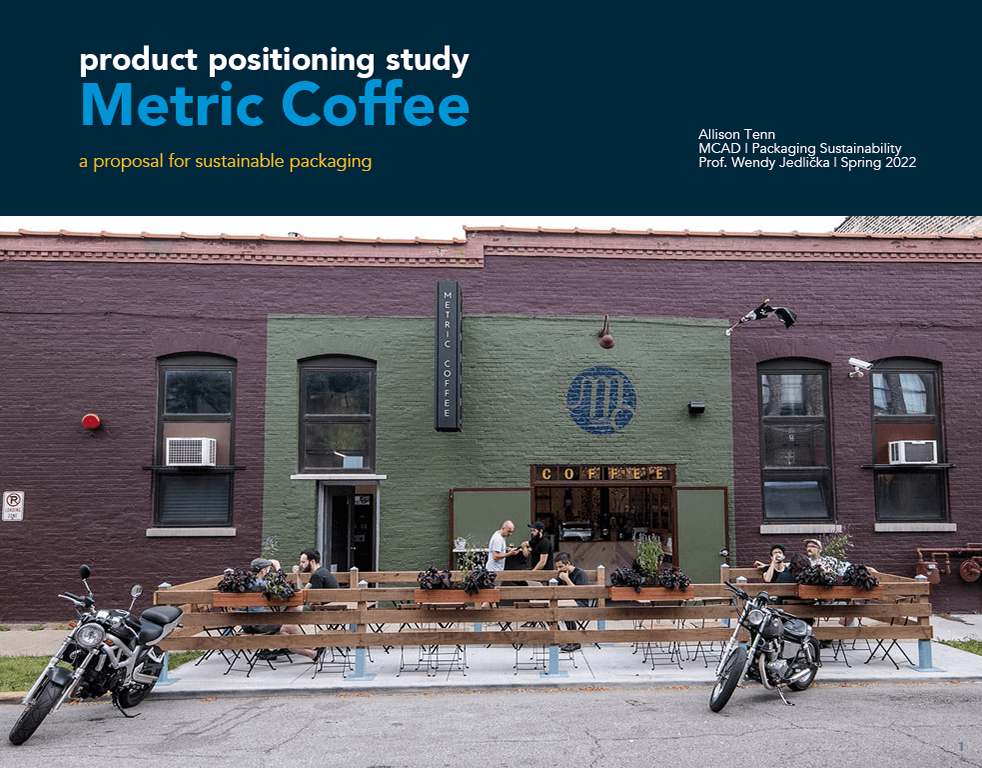
CLIENT
UScellular
RESPONSIBILITIES
Visual/UI design
UX strategy
Research
UX strategy
Research
GOAL
Improve UI and search functionality to create a more cohesive experience when searching across uscellular.com.
CHALLENGE
The eCommerce website was originally built using two different on-site search tools, one for static and another for dynamic areas of the site, which resulted in a disconnect in the look and experience when searching from either educational or shopping pages. One of these tools needed improvements that could help to unify the appearance and user experience, and make the search experience more seamless site-wide.
While designing the user interface, there were a number of factors to consider, including designing for multiple screen sizes and meeting accessibility standards. Additionally, to align with the company's recent rebranding, new visual styles needed to be integrated as they were rolled out onto the rest of the site.
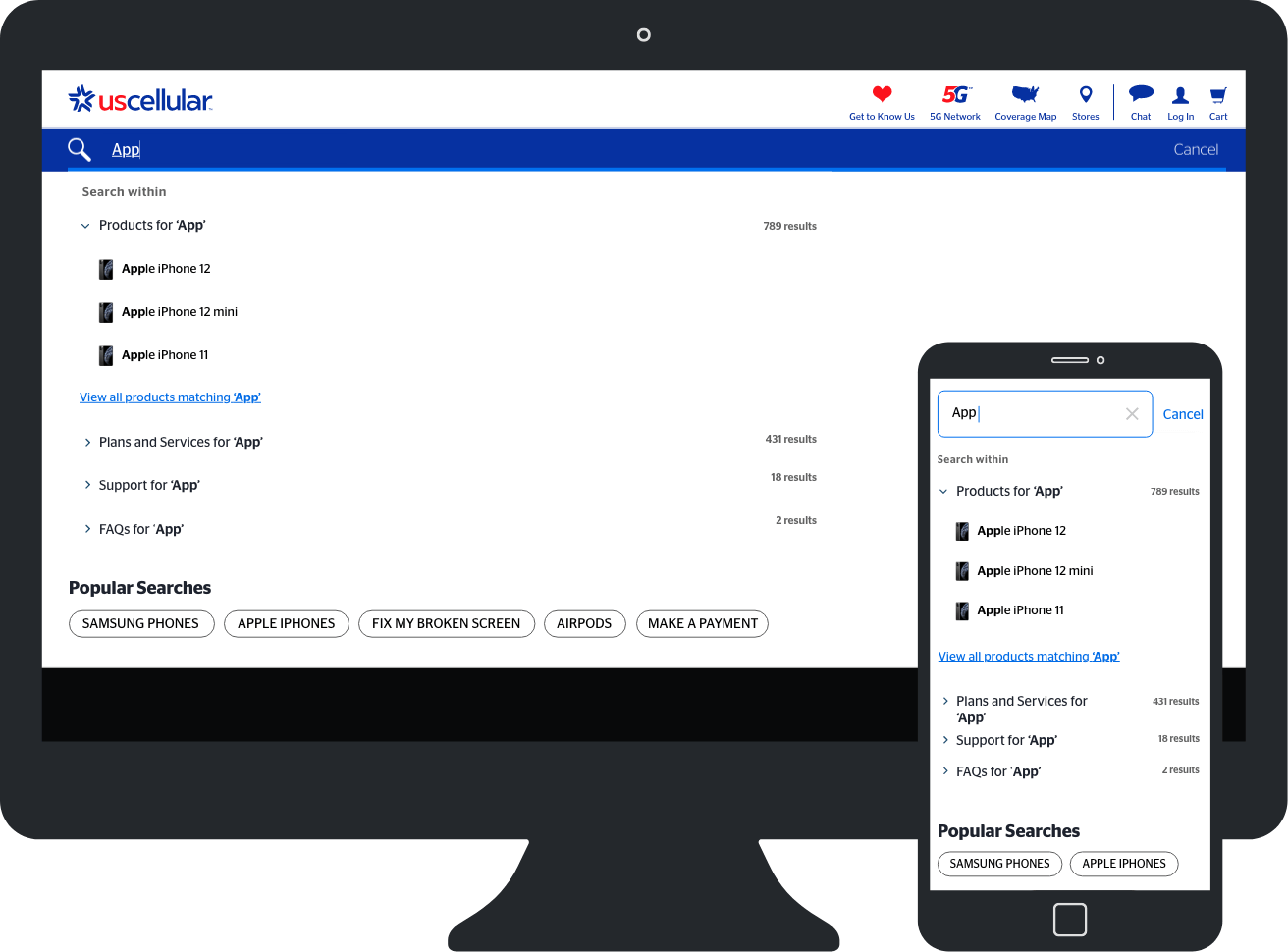
Sample search UI, demonstrating autocomplete function once 3+ characters are entered into the search bar.
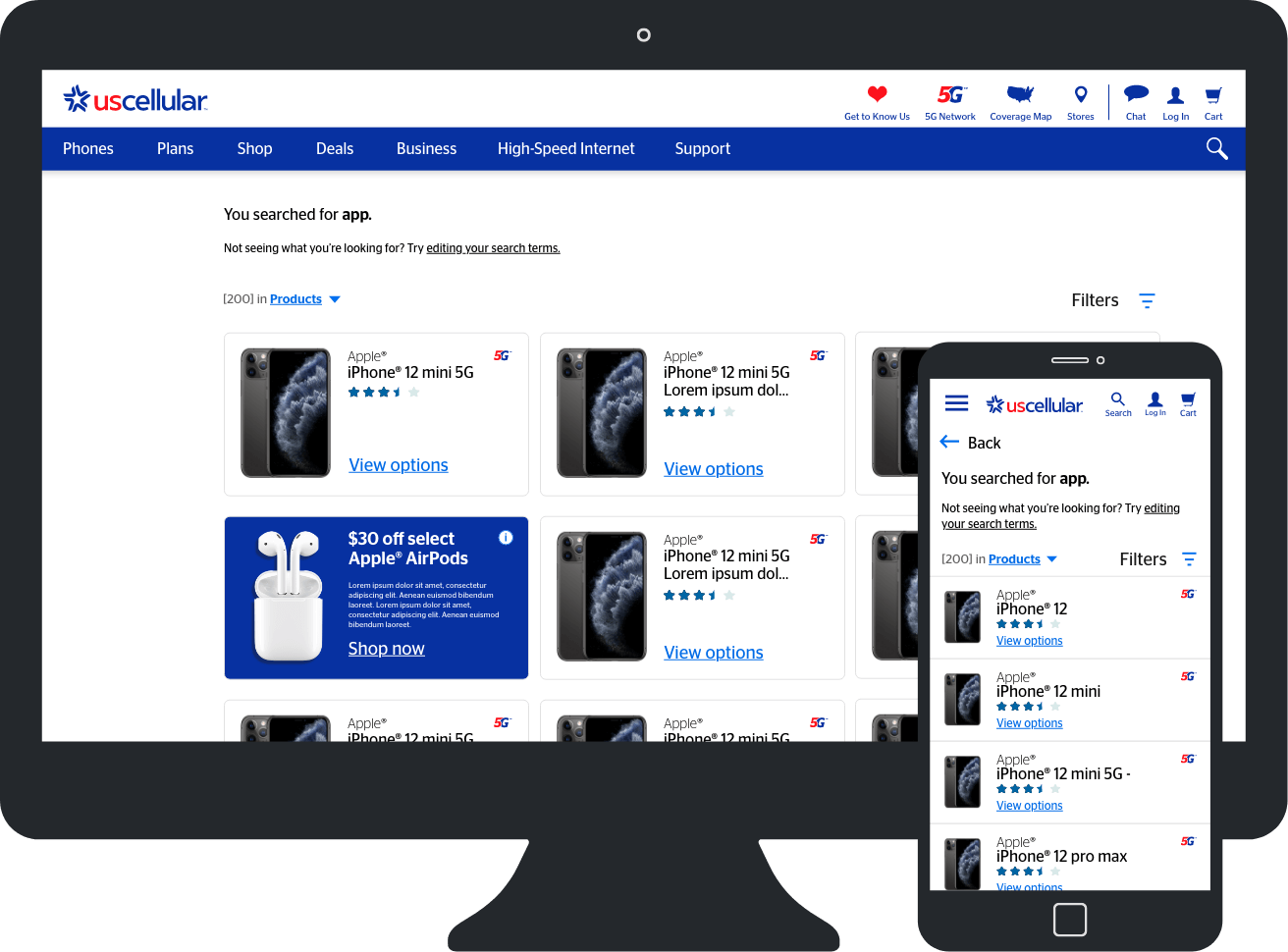
Sample search results page. When a user enters an incomplete search term, the system is designed to default to product-based results, with shopping being the most common use case for search within the eCommerce site.
PROCESS
My role in this project was to create pixel-perfect visual designs, which would provide styling specs for the development team, while also serving as a visual reference for the project team as user experience needs and functional requirements were determined.
Collaborating closely with the UX architect, we did a competitive analysis of other eCommerce sites with search and filtering, both within and outside of the telecom industry. In addition to researching common requirements and user expectations for search engines, we also considered the unique mindset of UScellular site visitors, reviewing the most common tasks they would typically be doing on the site, and scenarios that may provoke someone to use the search function over site navigation. Recommendations were further informed by user testing and analytics data.
Collaborating closely with the UX architect, we did a competitive analysis of other eCommerce sites with search and filtering, both within and outside of the telecom industry. In addition to researching common requirements and user expectations for search engines, we also considered the unique mindset of UScellular site visitors, reviewing the most common tasks they would typically be doing on the site, and scenarios that may provoke someone to use the search function over site navigation. Recommendations were further informed by user testing and analytics data.
SOLUTION
Beyond the baseline functional requirements, our research helped to inform important recommendations for the user flow, such as predicting the user's intention, organizing results in an intuitive way, and determining the most useful content to include in a search result. Though working within any technical limitations of the tool and available site data, the updates were a significant improvement that created a much more cohesive look and search experience.